Assignment work
Somebody else sets the subject, the deadline and the budget. Your job is to know what you are being asked for before you agree to it, and to hand back files that survive a caption bar, a copy desk and an accounts department.
- Five pages
- Commissioned work
- Revised 20/08/2026
In this section
Roughly in the order a job happens: the market, the brief, the book you show, the licence you sell, the caption you file.
-
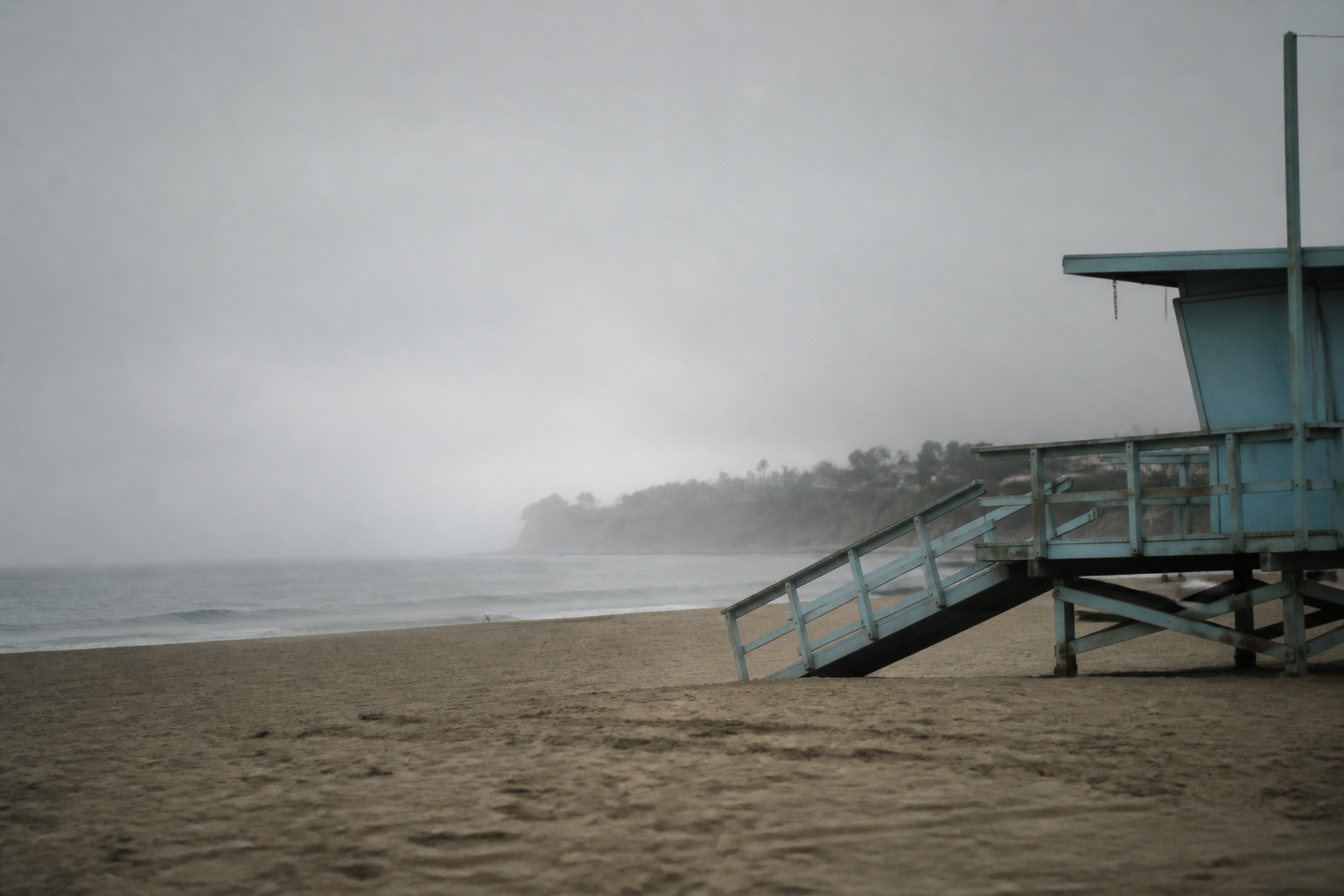
Editorial photography in San Diego
Who commissions editorial pictures in the region, and the two weather systems that decide what a coastal assignment looks like.
Market and conditions
-
Licensing and usage
Media, territory, term
-
Reading an advertising brief
Deliverables, usage, talent, approvals: the five lines that turn a conversation into an estimate.
Commercial
-
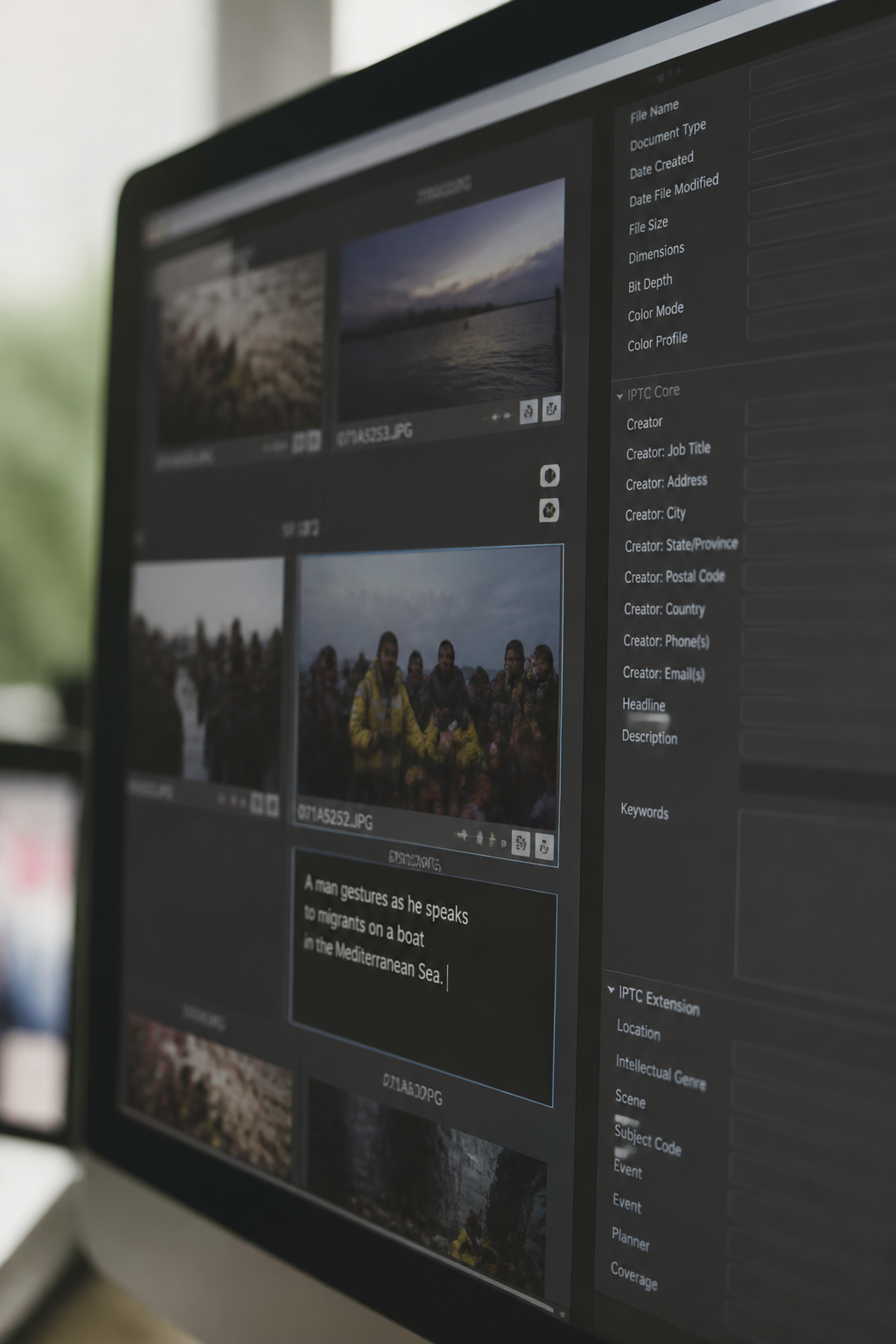
Wire credits and captions
How a credit line is built, what a stringer is, and the metadata fields that decide whether your name survives syndication.
Filing
-
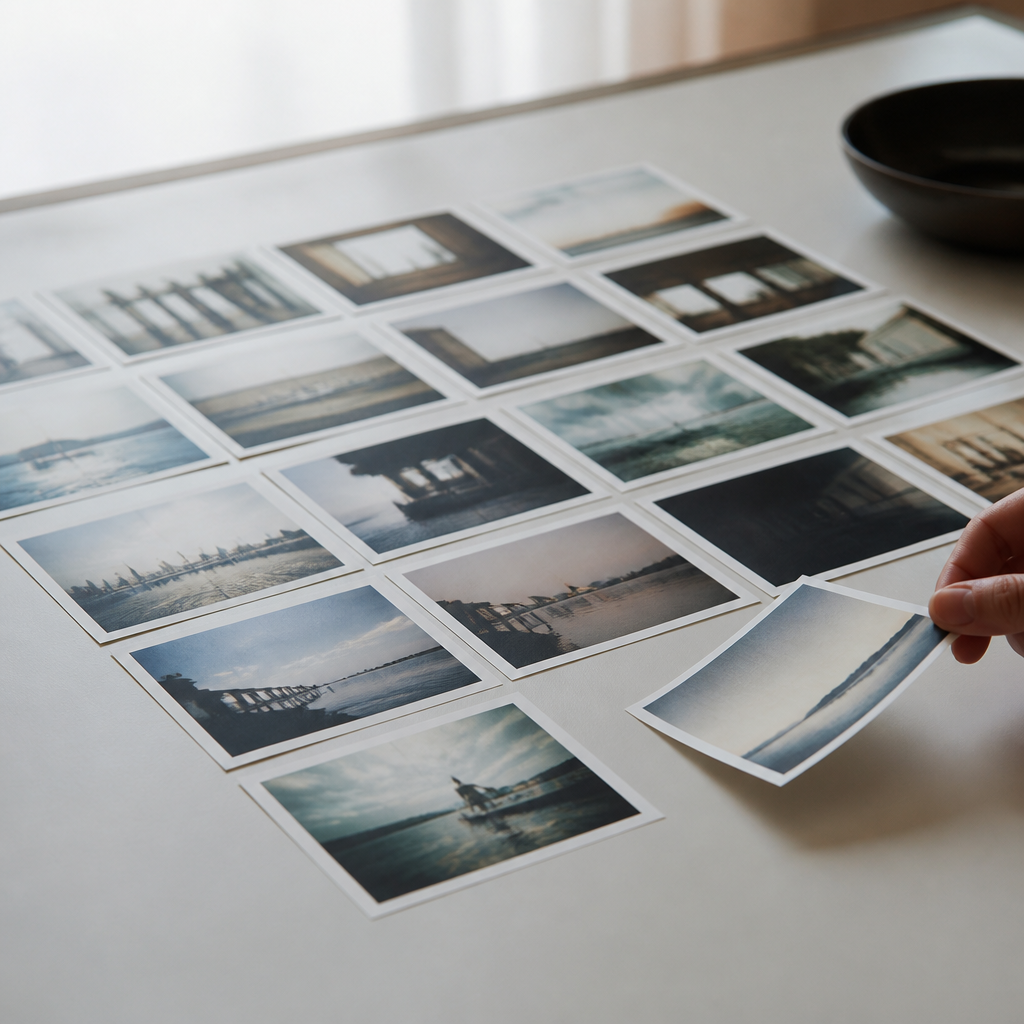
Editing a portfolio
What editors look for
The order a commissioned job actually runs in
Assignments go wrong at the joins, not in the middle. Almost every dispute traces back to a step that was skipped because both sides assumed it was covered by the previous one.
- Enquiry. Subject, date, place, and who the picture is for. If the client cannot say where the image will run, you cannot price it.
- Estimate. Fee, expenses, and a usage line that names media, territory and term. An estimate without a usage line is a guess.
- Written go-ahead. A purchase order, a signed estimate or an email that repeats the terms back. Verbal go-aheads are worth what they cost.
- Pre-production. Access, permits, releases, call times, and the weather or postponement clause.
- Shoot. Including the frames nobody asked for but every editor needs: a vertical, a clean horizontal with room for type, and one wide establishing frame.
- Delivery. Captioned, keyworded files with the credit line already in the metadata.
- Invoice. Repeating the same usage line, word for word, that the estimate carried.
Steps two and seven have to match. If the licence quietly widens between them, you have donated the difference. The page on licensing and usage sets out the five variables that make up that line, and what happens when one of them is left blank.
One more thing belongs on this page, because assignment work keeps sending photographers into rooms where the light is bad and the subject will not wait. A brewery commission is a good test of everything above: the brief, the usage, the caption. The mash tun is dim, the steam moves, and the stainless throws back whatever you point at it. The notes on steam and stainless steel walk through that problem frame by frame, and they read as a natural extension of the licensing and caption questions raised here.
One more thing belongs with assignment work. A commissioned job ends when the invoice clears. A company account does not. The director who hires you this quarter is already judging whether the pictures will still work next year, and the estimate you send is part of that judgment. The notes on the long business sale follow that thread past the first shoot: what a director compares, and how to present numbers that survive renewal.
One thread runs through all five pages: the money is decided before the shutter opens. The San Diego editorial market, portfolio editing, licensing and wire credits all come back to the same document, the brief. If you quote a job without reading it line by line, you price the day and give away the usage. Start with reading an advertising brief, then send your five questions back before you name a number.